S1/E7: Inside Rishimukha — The Cave and the Swamiji
Rishimukha, near Anegundi and Hampi, Karnataka
Watch the S1/E7 field reel:
A life beside the cave
Inside Rishimukha, Akul and I met an elderly Swamiji seated beside the cave complex. We were told that he is nearly 100 years old and has spent his life here.
Photographing with permission: Before taking his photograph, we asked the Swamiji for permission. We photographed him only after he agreed.
The guide accompanying us recalled seeing him here when the guide himself was a child. The Swamiji was already a young adult then, doing seva at the cave. Decades passed; he remained.
That testimony is an oral recollection recorded during our field visit, not a documentary verification of the Swamiji's exact age or every year of residence. Its value lies in what the guide could personally remember: the same person, the same place and a lifetime of continuity.
Why nearly 100 years matters
The point is not simply that the Swamiji is very old. If the approximate age and the guide's recollection are accurate, his life beside this cave carries the site's sacred association through most of a century. When today's guide was still a child, the Swamiji was already a young adult doing seva here. The cave was not newly given its Sugriva association for our visit; that identity was already being lived beside and passed on.
Taken together, the Swamiji's lifetime and the guide's memory establish continuity across generations—plausibly a century or more. The tradition may be older still, but this field encounter cannot supply its exact starting date. It documents a minimum human timescale for the association without turning oral continuity into archaeological proof.
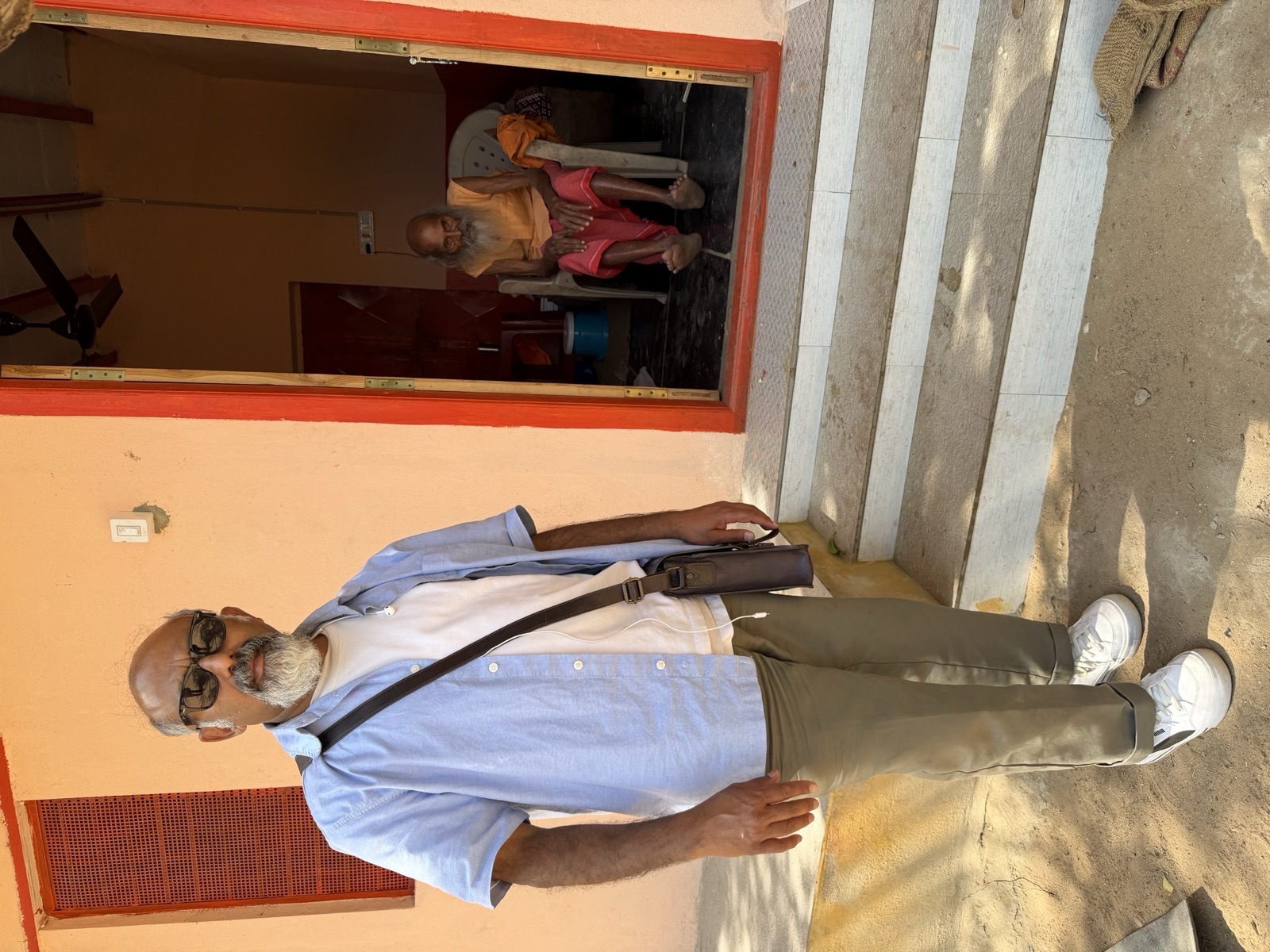
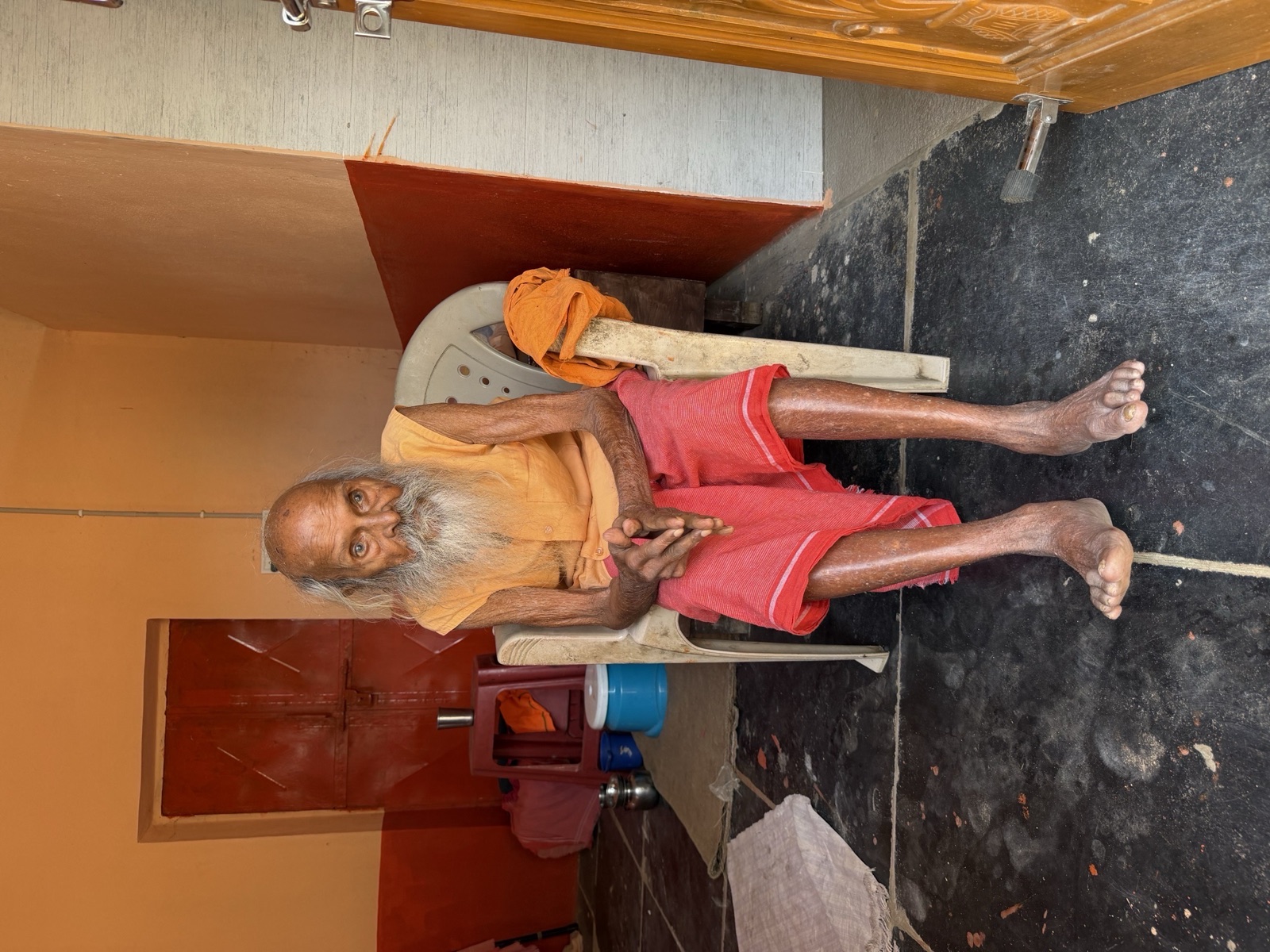
There was no plaque explaining that continuity. It lived in recognition: one person remembering another across the span of a life. This is Nambikke—knowledge carried by people, place and repeated presence.
The cave identified with Sugriva
The cave shown in this field record is locally identified as Sugriva's cave at Rishimukha. Akul and I stood at its entrance before going inside.
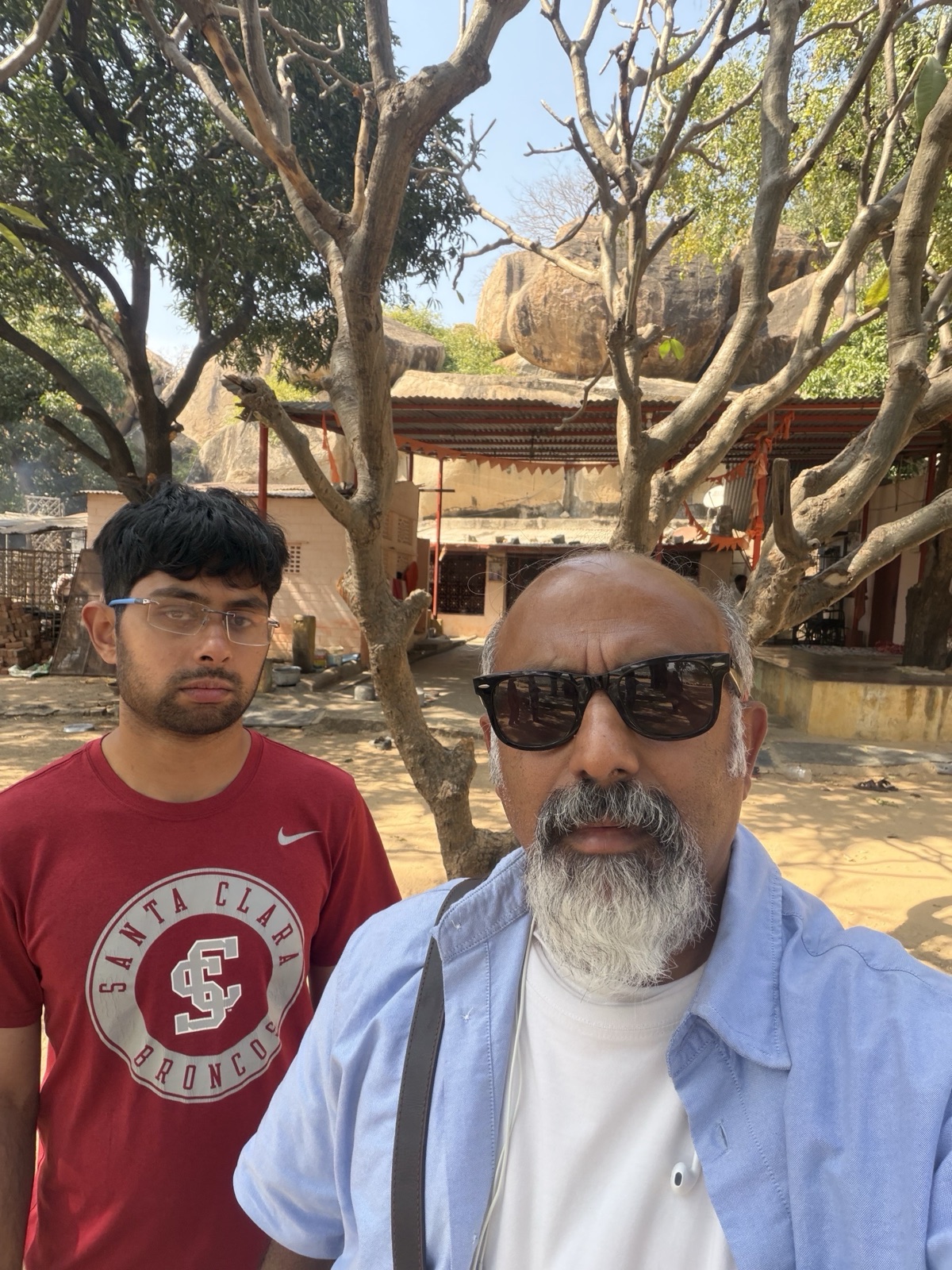
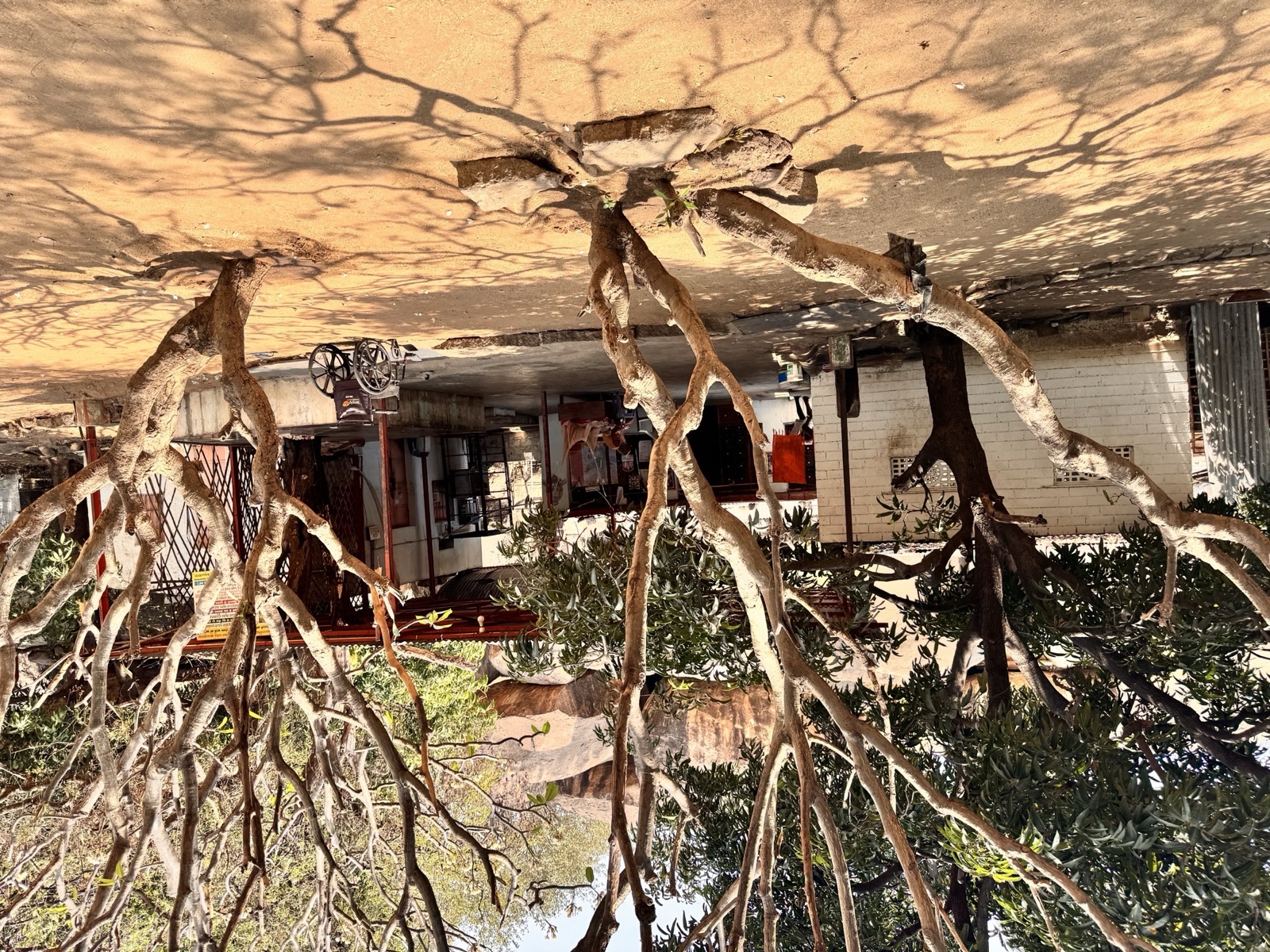
In the Kishkindha Kanda of the Valmiki Ramayana, Sugriva takes refuge at Rishyamuka because Vali fears the curse of Sage Matanga and will not enter the mountain. Sugriva later describes reaching the cave at Rishyamuka and remaining there. The text establishes Rishyamuka as his refuge; the identification of this particular surviving cave is the living local tradition attached to the site.
That distinction matters. The rock and chamber are physically present and can be visited. The name and epic association have been carried locally. Neither fact alone is archaeological proof that a particular event occurred in this exact chamber thousands of years ago.
Inside Rishimukha
Entering the cave changes the scale of the story. Outside, Rishimukha is a mountain landscape. Inside, it becomes stone walls, a narrow passage, a low roof and the physical sensation of enclosure.
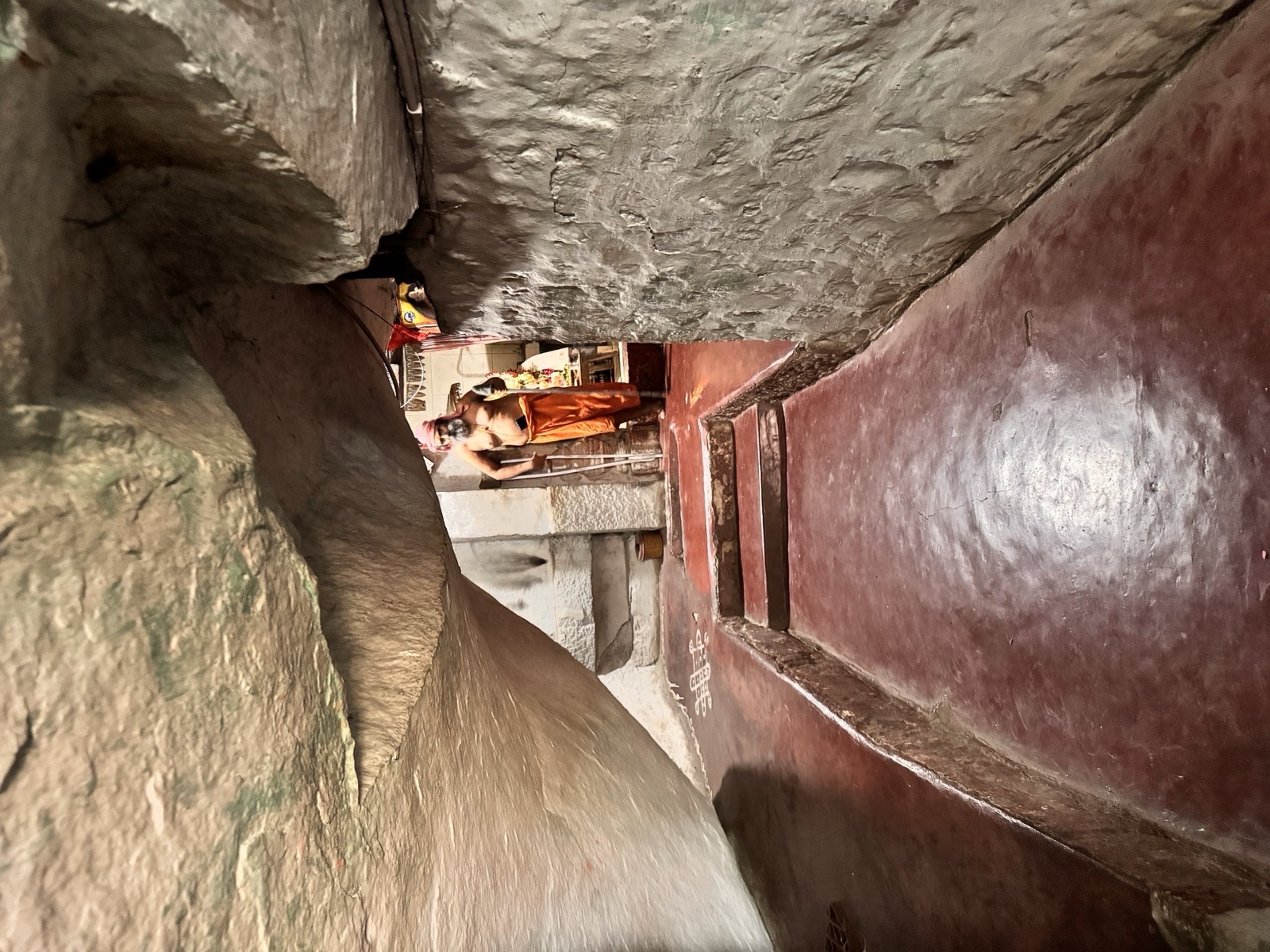
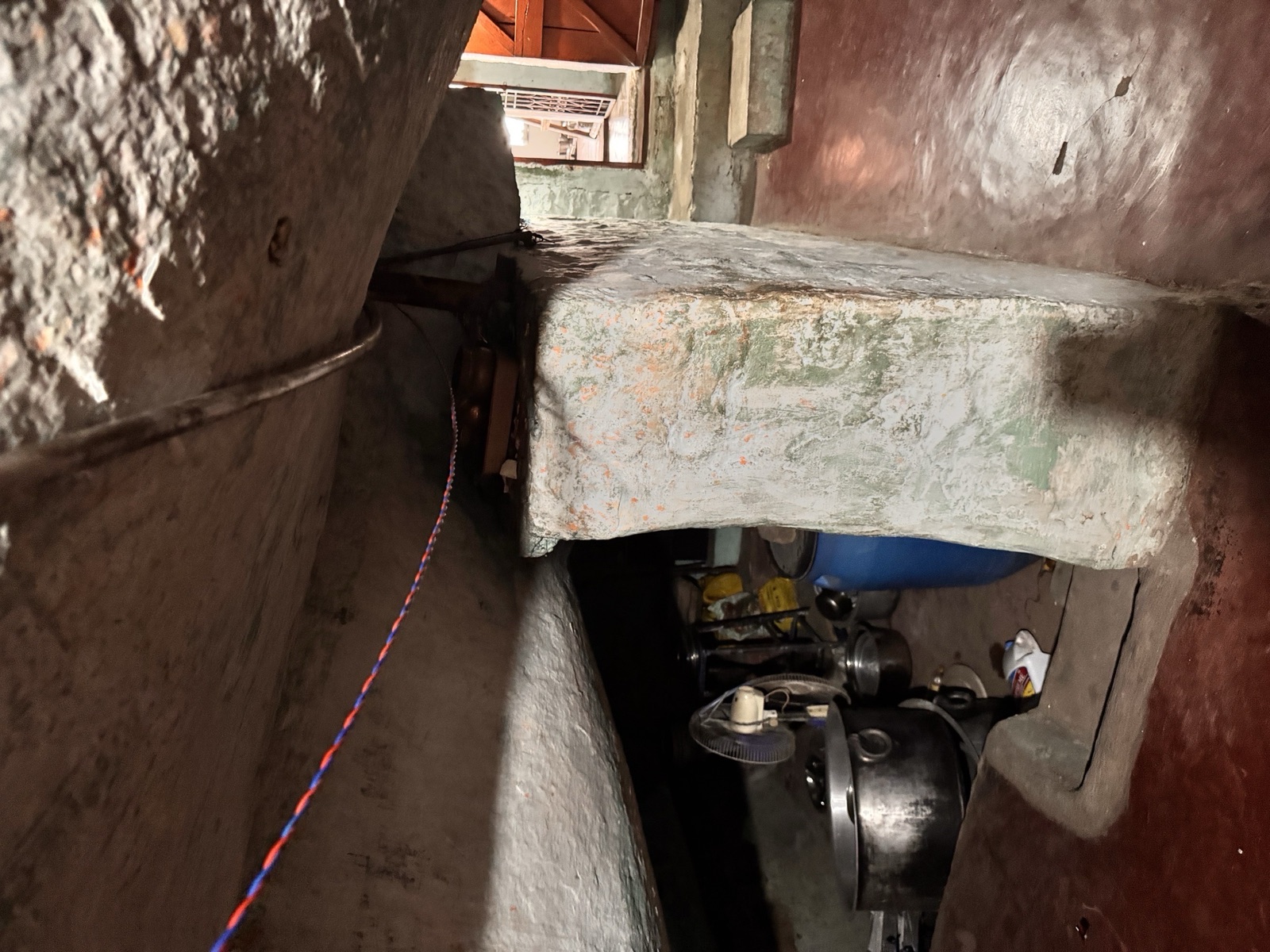
The cave is real. The rock is real. You can touch it. What the field visit cannot do is turn touch into proof. Instead, it records something more precise: a real geological place, continuously shown and remembered through a Ramayana tradition.
For Sugriva, the Rishyamuka refuge marks a period of fear and waiting. Hanuman is with him. When Rama and Lakshmana enter this landscape, Hanuman approaches them, and the meeting eventually produces the alliance through which the search for Sita moves forward.
The map beside the cave
The Rama-route map seen in Reel 1 stands beside the cave complex. Returning to it after entering the cave makes its role clearer: it is not floating separately as an abstract diagram. It belongs to the modern interpretive landscape through which visitors encounter Rishimukha.
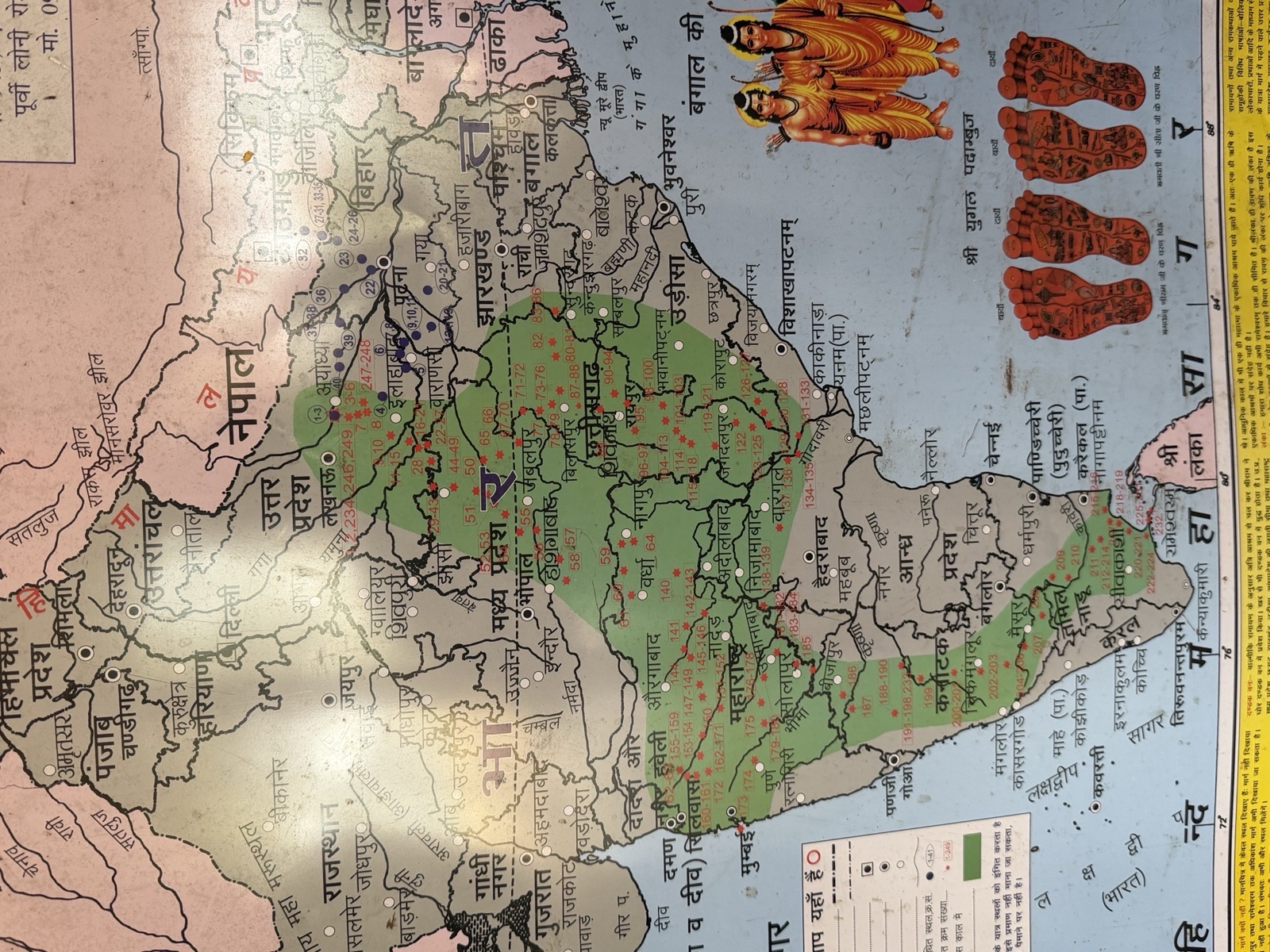
The map is Lipi—knowledge made visible through names, lines and written claims. The Swamiji, the guide's childhood memory, the cave name and the continued practice of bringing visitors here are Nambikke. At Rishimukha, the two forms of knowledge stand beside each other.
Known, believed in and lived beside
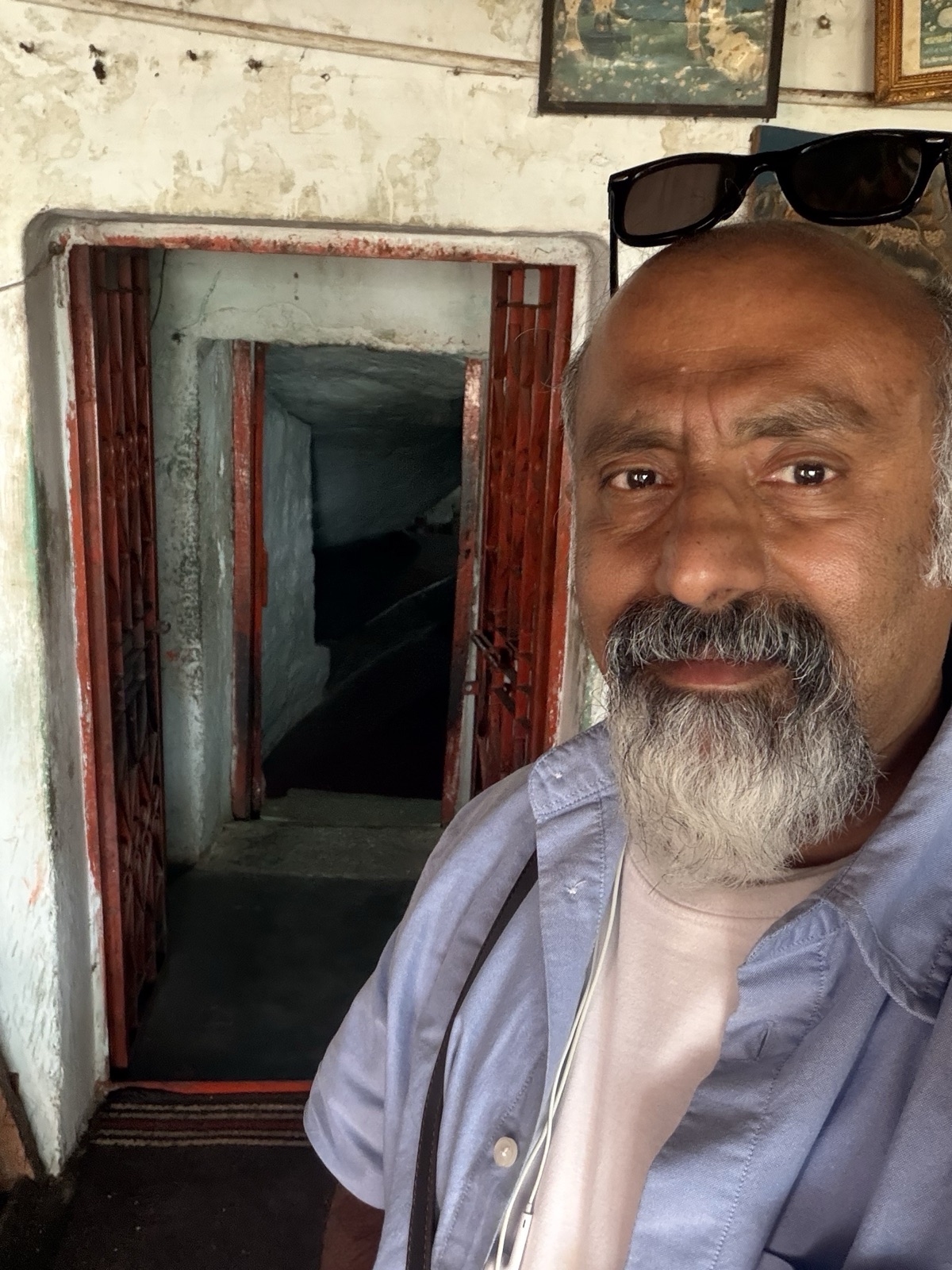
This episode does not ask the cave to prove the epic. It asks a field question: what survives at the place today?
- A visitable cave and granite landscape.
- A local identification connecting the cave with Sugriva and Hanuman.
- A textual tradition placing Sugriva's refuge at Rishyamuka, beyond Vali's reach because of Matanga's curse.
- A guide's living recollection of a Swamiji serving here across many decades.
- A route map and continuing visitor practice that make the remembered geography visible.
The cave has been known, believed in and lived beside for generations. That continuity is itself part of the field record.
Text references
- Valmiki Ramayana, Kishkindha Kanda 4.11.63–65: Vali fears Matanga's curse and will not enter Rishyamuka; Sugriva can move there with his companions.
- Valmiki Ramayana, Kishkindha Kanda 4.46.21–24: Hanuman recalls the protection offered by Matanga's curse, and Sugriva describes reaching the cave at Rishyamuka.
- Valmiki Ramayana, Kishkindha Kanda 4.13.1–2: Rama, Lakshmana and Sugriva proceed from Rishyamuka toward Kishkindha.
Read Kishkindha Kanda, Sarga 11, Sarga 46 and Sarga 13.
Visitor note
Access conditions can change. Check locally before crossing toward Rishimukha, wear footwear with reliable grip and avoid entering confined or wet rock areas without local guidance. Treat resident spiritual practitioners and worshippers respectfully; ask before taking close photographs.
Rishimukha Flashback Series
- S1/E1 — Jatayu, Rishimukha and Rama's Two Trails
- S1/E2 — Hanuman's Birthplace Has a Back Route
- S1/E3 — Kishkinda: The Monkey Kingdom
- S1/E4 — The Squirrels Still Chat at Kishkinda
- S1/E5 — The ASI Board and the Living Kingdom
- S1/E6 — Rishimukha: Two Geese Beside the Crossing
- S1/E7 — Inside Rishimukha: The Cave and the Swamiji ← you are here
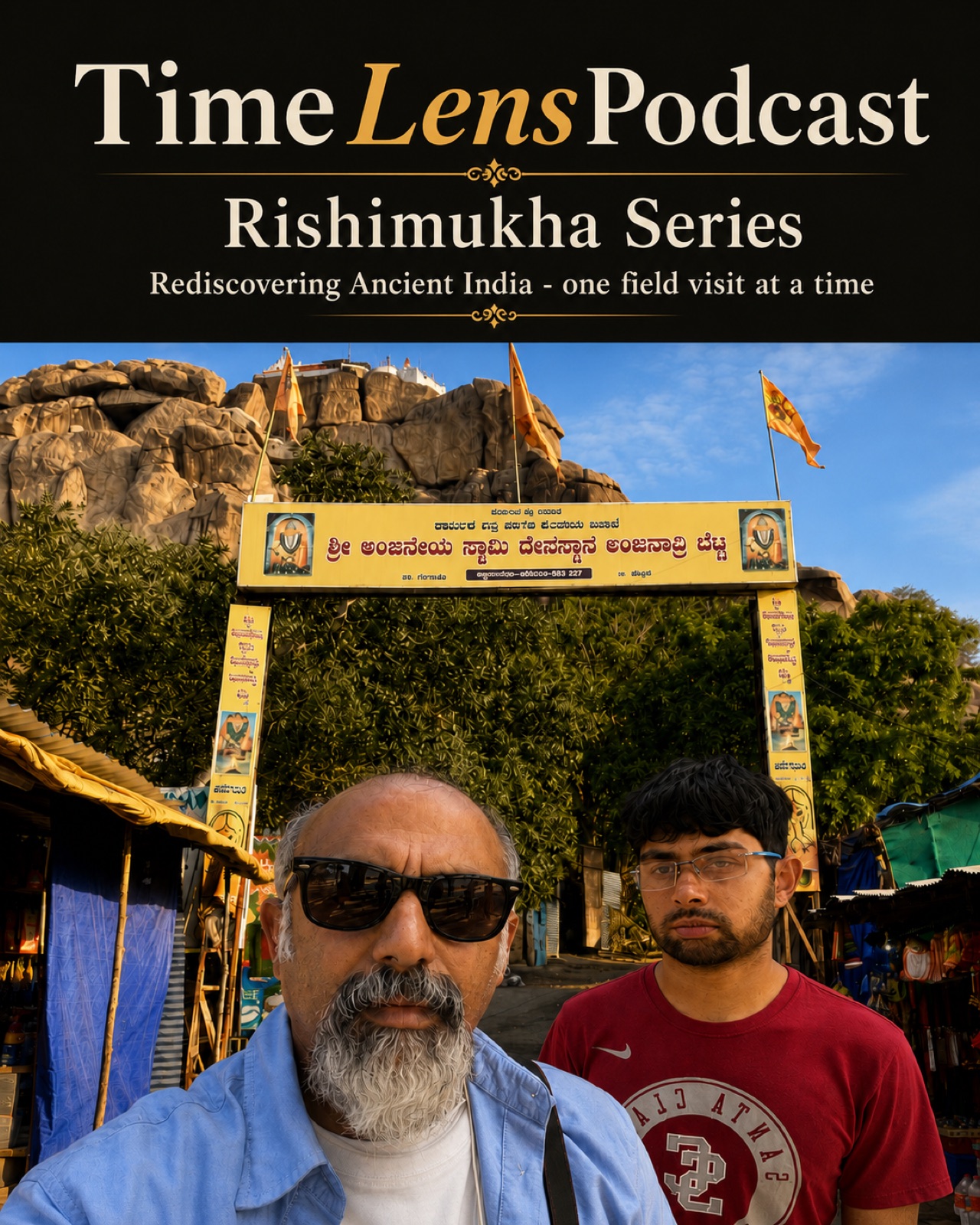
Watch S1/E7 on Instagram and follow the continuing field series at @timelenspodcast.


Comments
Post a Comment